the
eco
home
experts
Guide
Solar panels have become a popular choice for homeowners looking to reduce their carbon footprint while generating their own energy and making money off the excess power they produce. Around 1.7 million UK homes now use solar PV, and with government incentives like 0% VAT on panels, the Warm Homes Local Grant, and low-interest loans via the Warm Homes Loan Scheme recently introduced– perhaps now is the time to think about investing in solar yourself?
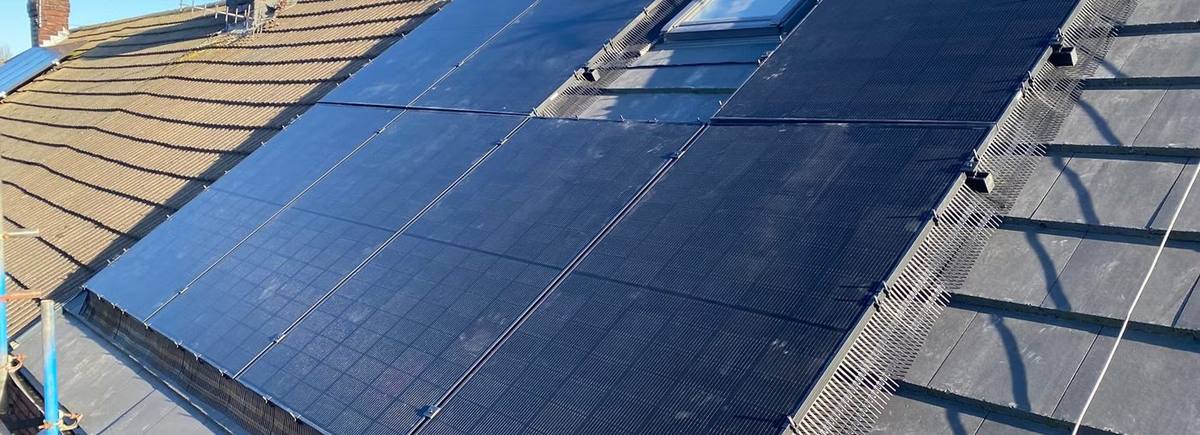
But are solar panels always worth it, and particularly in the UK where in the winter months we have fewer daylight hours and cloudy, rainy weather? Read our guide to see if solar pv panels really are worth it and if the time is right for you to get a solar system for your home.
A common misconception is that the UK doesn’t get enough sunlight for solar panels to be worth it – especially in winter months. However, because solar panels use daylight, rather than direct, hot sunlight to generate electricity, this means they still work well on cloudy or overcast days. Of course a bright summer day will always produce more electricity – and with the past few years of summer heatwaves – the 1.7 million UK homeowners who already have solar panels installed will be reaping the benefits.
Another advantage of the UK’s mostly temperate weather is that solar panels tend to run more efficiently in cooler, clearer weather rather than extreme heats. And even the UK’s classic rainy days have a positive purpose when it comes to solar – with UK rainfall helping to keep panels clean and clear.
Solar panels can seem like an expensive investment for homeowners, especially if you’re not sure of the positive impact they will have on your energy consumption and bills down the line. As a rule, it tends to take around 6-10 years to fully pay off the cost of installation and parts, however given solar panels have a 25 year average life-span, they will continue to save you money past this point and far into the future. You will also see significant monthly reductions in your electricity bills from the day of installation, which is an immediate way to start seeing the benefit of your investment in solar.
Low interest government-backed loans were introduced in October 2026 under theWarm Homes Loan Scheme to support eco-friendly home improvements like solar panels and batteries. And in certain catchment areas or for those on low incomes or with additional needs, there are also local government grants available which can help you get solar installed completely for free. At intuECO we can help with either path, though it’s worth noting many local councils have paused Warm Homes Local Grant applications currently.
Check out our loans page for more information on finance plans for solar or read our full guide which explains in more depth the costs involved in solar panels here.
Many homeowners are unsure whether they should be getting a solar battery installed alongside their solar panels. While a battery does add an additional minimum upfront cost of around £1,000, there are many benefits to solar batteries which will help you to save money and recover that cost down the line.
With our solar installations, our finance offerings come with batteries included in the final cost and don’t add a huge amount to your monthly payment, vs the savings gained from having a battery providing you energy to use whenever you want.
If you’re blessed with a large roof space that’s viable for solar panel installation, the next question may be ‘how many solar panels do I need?’ and should you get more than that just because you have the space for them?
This question will depend on a lot of factors, but mainly your budget and your energy requirements. If you and your family use a lot of energy, have an electric car, multiple devices, or are in the house during the day a lot, then you’ll likely need more panels to keep up with your high energy usage. Most houses require around 10-14 panels to provide substantial coverage, but even a small amount of panels on your home will make a considerable impact on your energy bills every month.
It’s also likely that your upfront costs will be cheaper if you add multiple panels in one go. You’ll only need to pay fixed expenses like scaffolding, labour, and inverters once and may even get a deal on a larger number of panels that make them a little cheaper to buy overall. More panels will also future-proof your house if your energy needs change with new additions to the family or the purchase of an EV. And the more panels you have, the more consistent your energy production may be on cloudier days or in winter months when sunlight hours will be impacted and you may not be able to produce as much energy as on the long summer days.
If you produce more energy than you can use – especially if you’re combining your panels with a battery – then you will also have the option to store excess energy to use when you need it, or sell your energy back to the national grid. While this can be a good money-maker – tariffs do vary greatly and some providers will pay a lot more for your excess than others. We will always make you aware of the latest tariffs on offer in the market to maximise your potential savings and will guide you through what battery management means for you including initial set up.
At intuECO we design our packages for customers based on their unique individual needs and requirements. We’ll never tell you to install more solar panels than is cost-effective, and wouldn’t recommend a system that is so small it wouldn’t provide good value-for-money.
For the most part, switching to solar now is generally better than waiting – however there are a few reasons why you may wish to hold off on your decision.
While we’re of the opinion that solar is a great idea, it’s true that home solar roof panels won’t always be worth it for everyone and there are few main reasons why this may be the case:
Even if you think the above are true, it’s still worth speaking to our team if you’d like a second opinion and a no obligation bespoke solar design – you may be surprised by what’s possible with solar!
